Where the story begins
Coffea arabica has deep roots in the forests of Ethiopia and nearby regions. The famous story of Kaldi and his goats is a cherished legend, not a documented account of coffee's discovery.
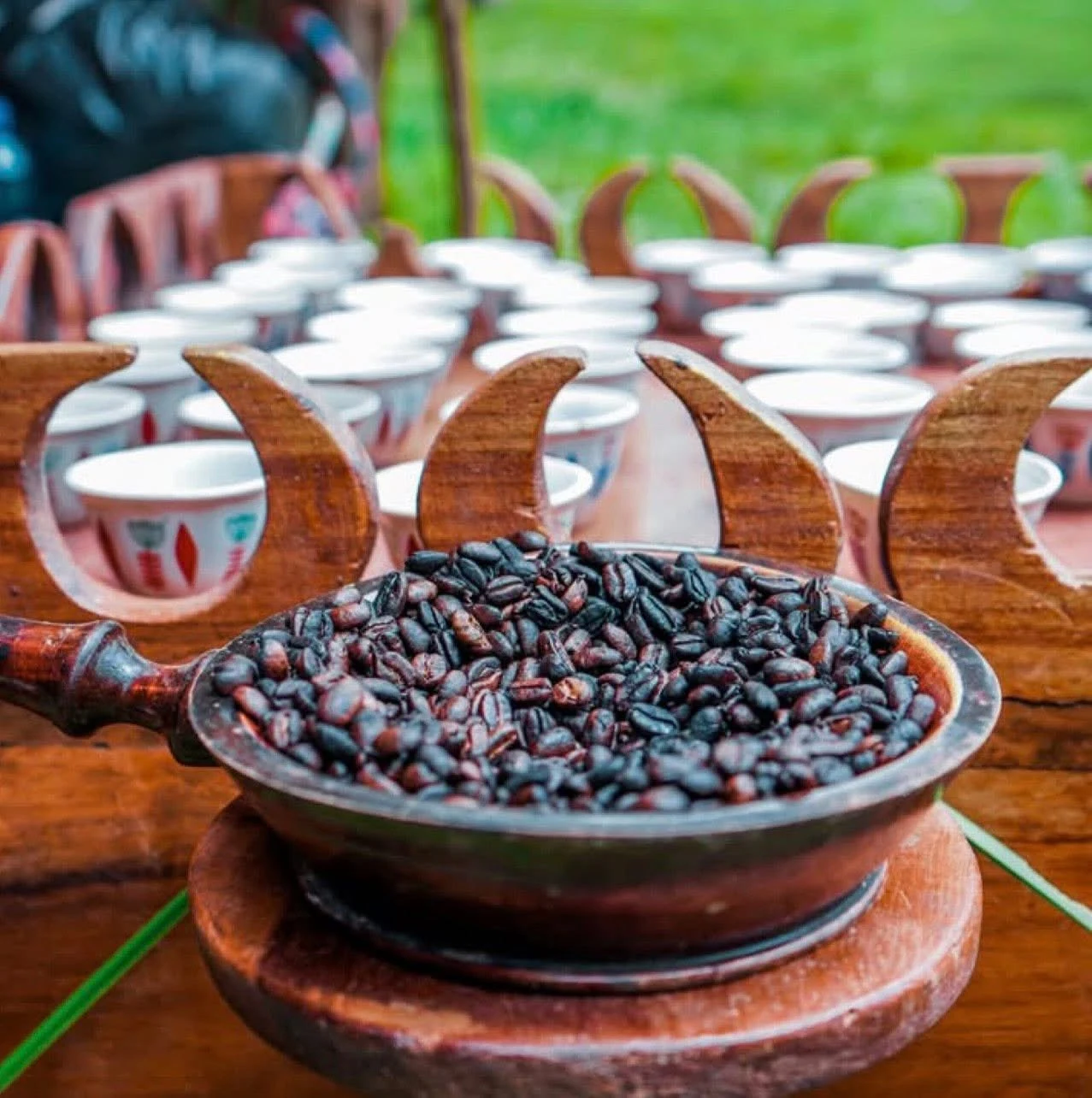
Before the first sip, there is a story: the fragrance of roasting beans, a handmade clay pot, the warmth of shared food, and a gathering that connects generations.
 The culture behind every cup
Coffee is closely linked to the forests of Ethiopia. Today, preparing it in the traditional way can be a ceremony of attention, hospitality and connection.
Coffea arabica has deep roots in the forests of Ethiopia and nearby regions. The famous story of Kaldi and his goats is a cherished legend, not a documented account of coffee's discovery.
Green coffee beans are roasted over heat, releasing the rich aroma shared with guests before the coffee is prepared.
A wooden mortar and pestle—muketcha and zenezena—can be used to crush roasted beans by hand.
Ground coffee and water are heated in a clay jebena. Brewing steps vary by tradition and household.
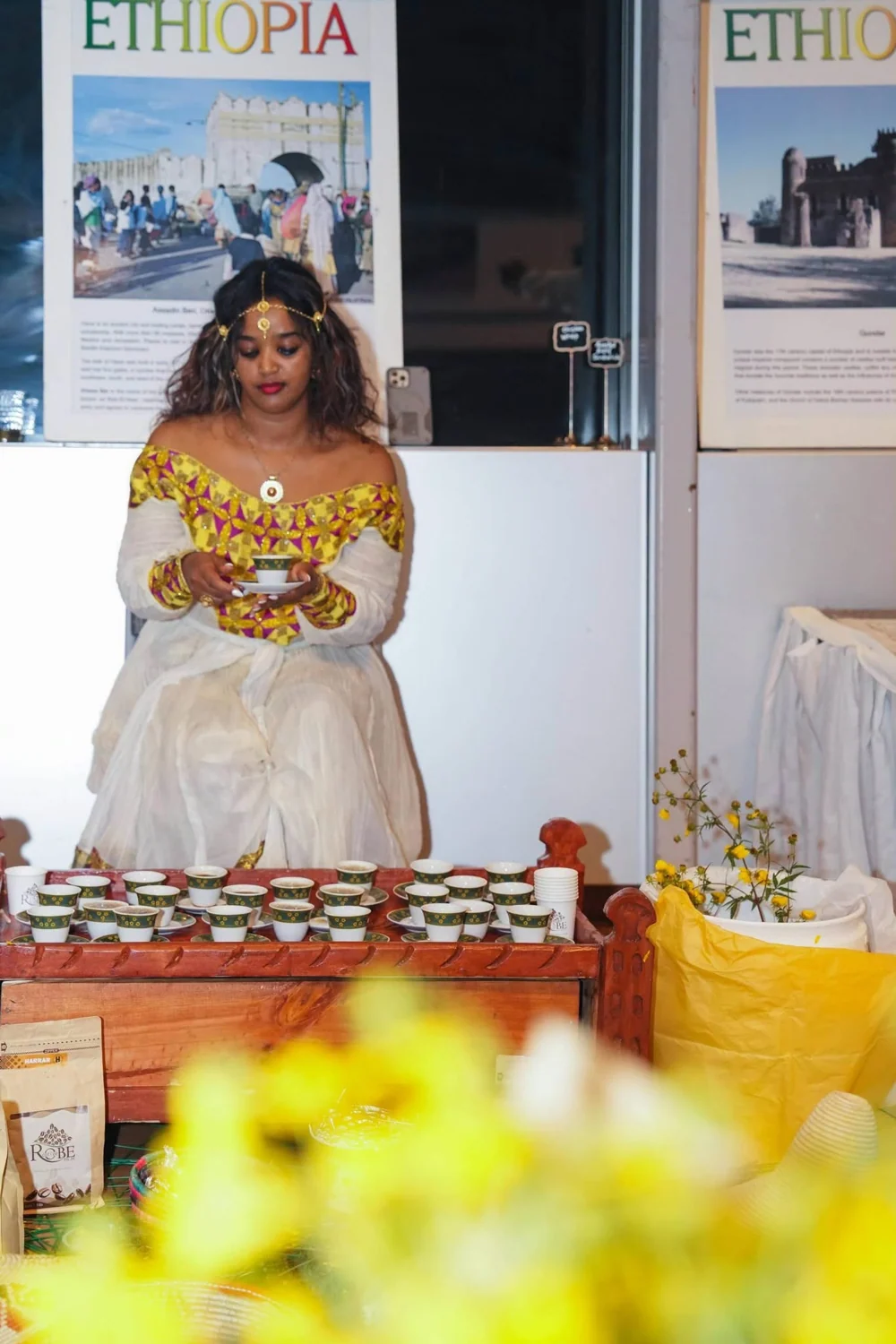
The coffee is poured into small cups called finjal. Stories, questions and conversation complete the experience.
More than a coffee pot, the jebena is a piece of living craft. Skilled makers shape locally available clay, allow it to dry, then fire and finish the vessel. Designs, materials and firing techniques vary from place to place.
Some jebenas are reddish-brown, others dark or black. Their color can depend on the clay, firing atmosphere and finishing process—not on one single rule.
Natural clayHand-shapedFired with careThe coffee ceremony can be a beautiful sequence of actions, scents and hospitality. Customs are not identical in every household.
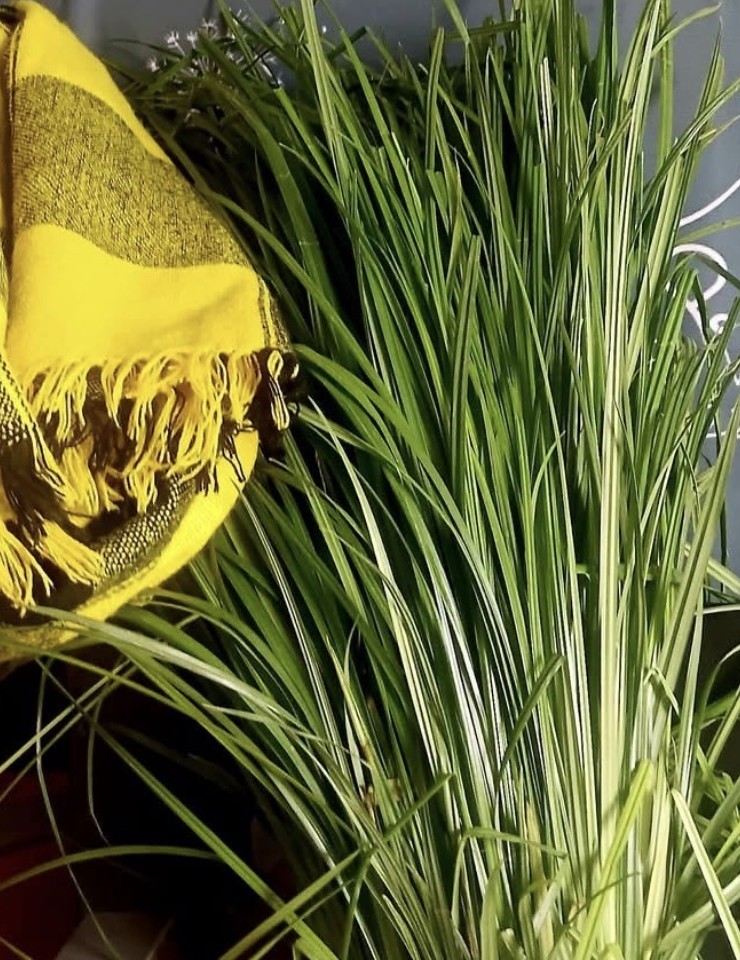
Fresh ceremonial grass is sometimes spread around the coffee setting as a fragrant, welcoming expression of nature and hospitality.
Fresh beans roast slowly and their fragrance announces that coffee is on the way.
Burning incense adds another sensory layer to the gathering; resin and aromatic materials differ by region.
Some households add the fragrant herb tena adam to coffee for its distinctive aroma. This is a regional or personal variation.
 ቄጠማ · QETEMA
Before coffee is poured, the space itself may be prepared with care. In many Ethiopian homes, fresh grass known as qetema (also spelled ketema) is spread on the floor or arranged near the coffee ceremony.
Its fresh green appearance and gentle natural scent evoke hospitality, renewal and the joy of gathering. The grass helps transform an everyday place into a welcoming space where family, friends and guests can sit, talk and share coffee.
Regional and household customs differ. Qetema is part of the ceremony's setting, not necessarily an ingredient in the coffee. The example photograph was supplied for design reference; confirm rights to use it publicly.
During many Ethiopian coffee ceremonies, the fragrance of incense meets the aroma of freshly roasted coffee. It welcomes guests into a space made for conversation, hospitality and connection.
 እጣን · ETHIOPIAN INCENSE
Etan (እጣን) is the Amharic word for incense. One well-known type is frankincense, an aromatic tree resin commonly gathered from Boswellia species. The resin hardens into golden or amber pieces that release a distinctive fragrance when warmed.
In some Ethiopian homes, a host burns a small amount of incense during the coffee ceremony. Alongside the scent of roasting beans, it helps create an atmosphere of welcome and shared attention.
For traditional frankincense, aromatic resin is collected from suitable trees and allowed to harden. Harvesting methods and resin types vary.
Small pieces of incense may be placed on hot charcoal in a suitable incense burner. As the resin warms, its fragrance fills the gathering space.
For many hosts, the rising fragrance accompanies the jebena, roasted beans and shared cups—one more expression of care for guests.
At Taste of Ethiopian Coffee, we celebrate the makers, materials and customs behind the ceremony—not only the drink in the cup.
See the Ethio Meaza incense brand spotlight ↗Cultural practices differ. Incense smoke can be irritating to some people; use ventilation and consider guests who prefer a smoke-free setting. The brand packaging pictured on the main site is a concept, not a verified product listing.
Meet the familiar foods that can accompany Ethiopian coffee gatherings. Tap a snack to discover its ingredients, preparation and place at the coffee table.
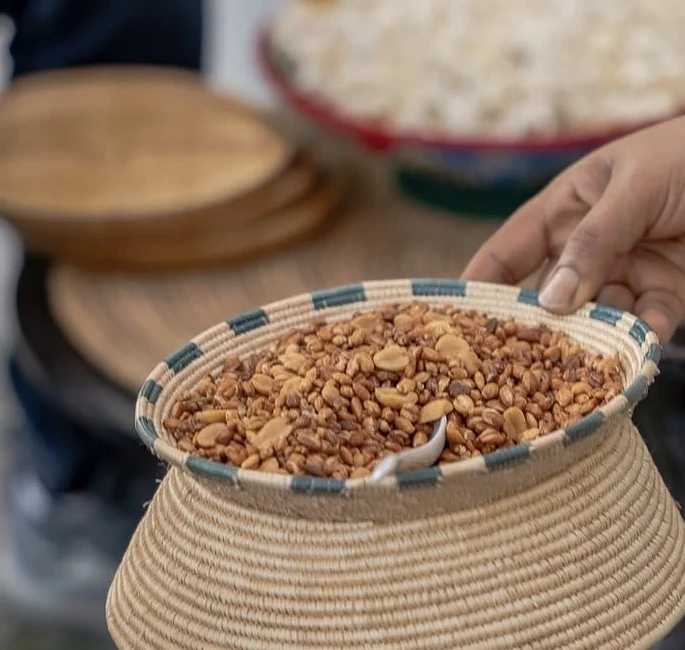
A crunchy mix of roasted barley, wheat, chickpeas or other grains and pulses. Recipes differ by household.
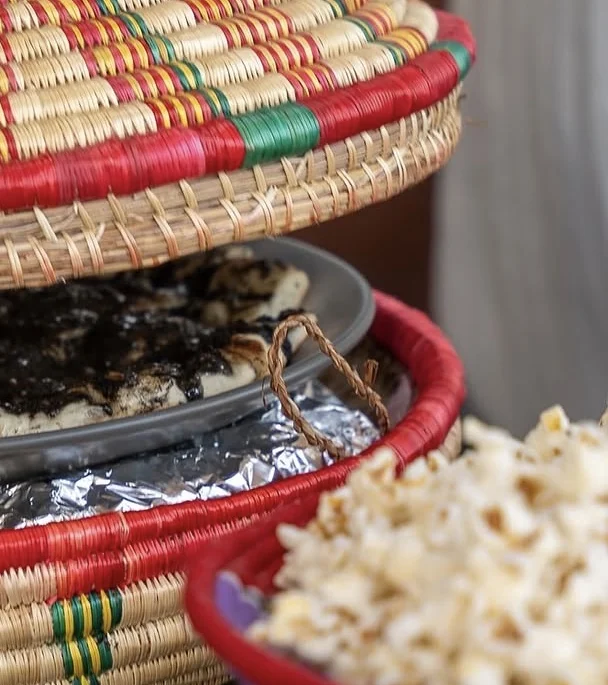
Simple, airy popcorn—often an easy, welcoming bite shared during a coffee gathering.
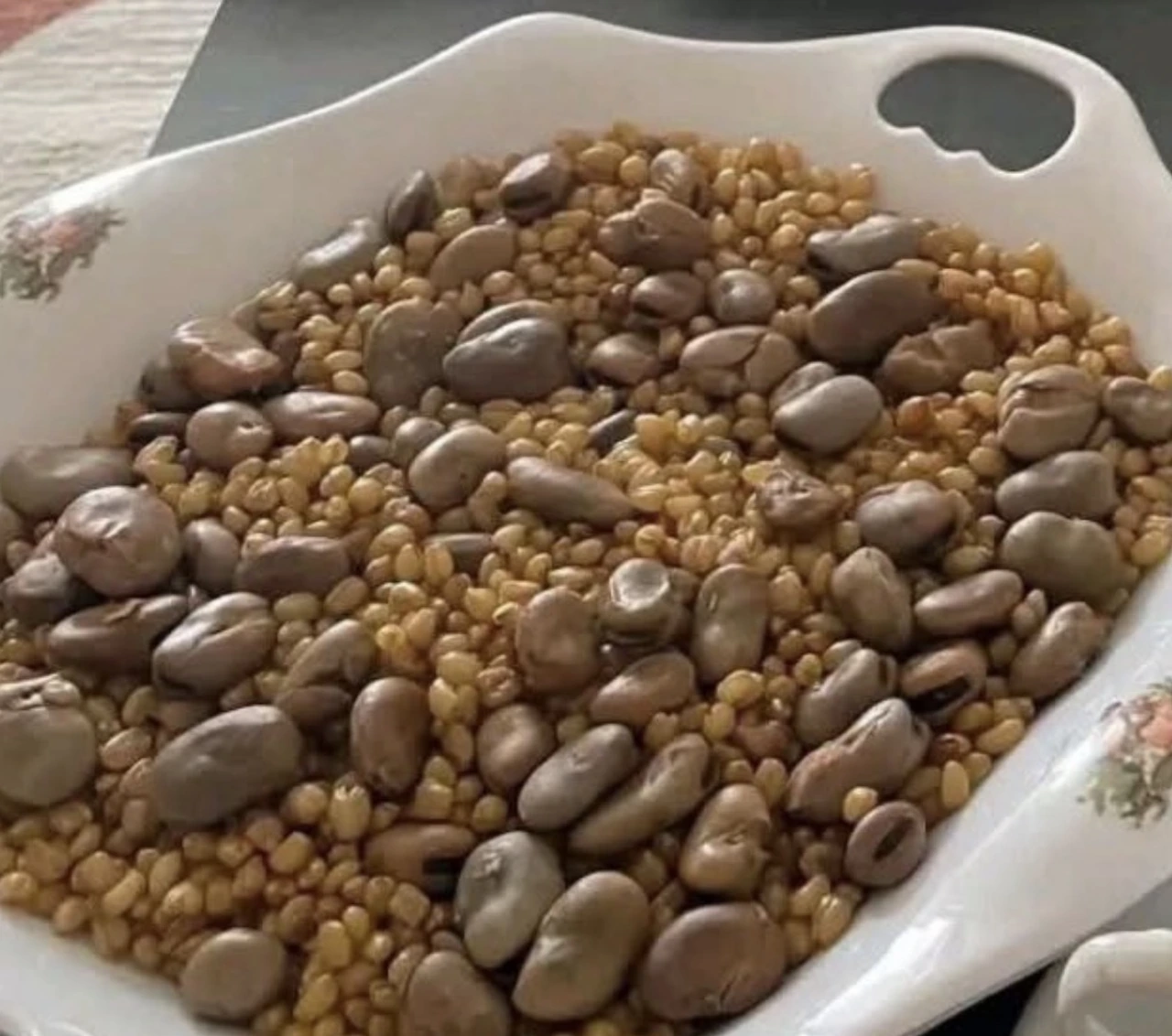
A comforting preparation of boiled whole grains, sometimes mixed with beans or chickpeas.
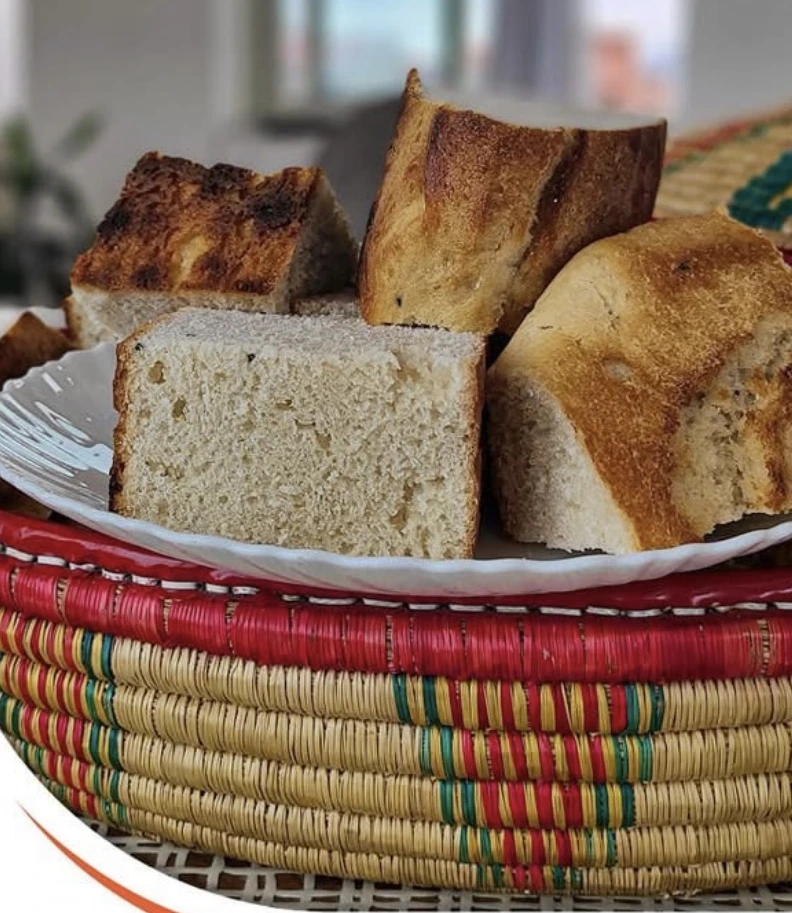
Bread is an important part of hospitality. Many regional and family recipes are shared at gatherings.
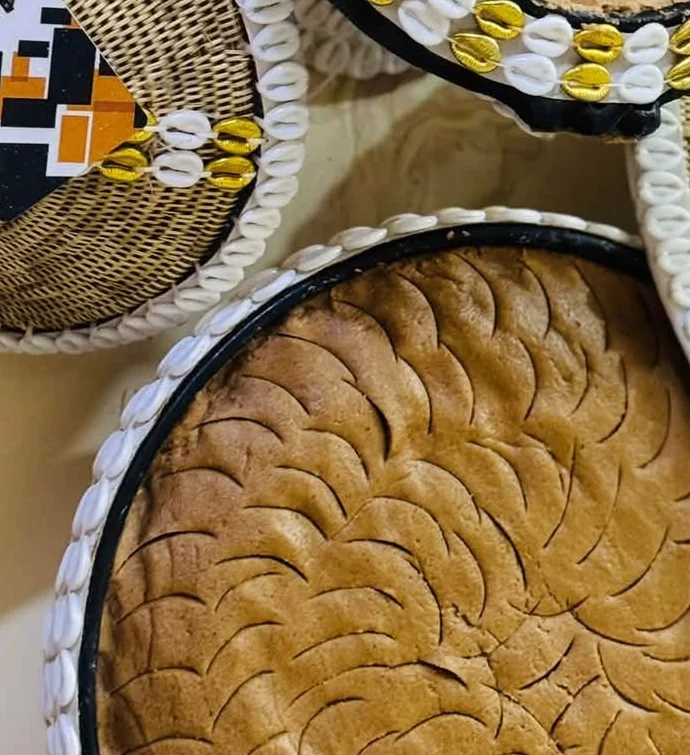
Also known in some areas as chuko: a nourishing, pressed food associated with Oromia, including Bale.

Crispy triangular pastries, usually stuffed with lentils, vegetables or other savory fillings, enjoyed at gatherings.
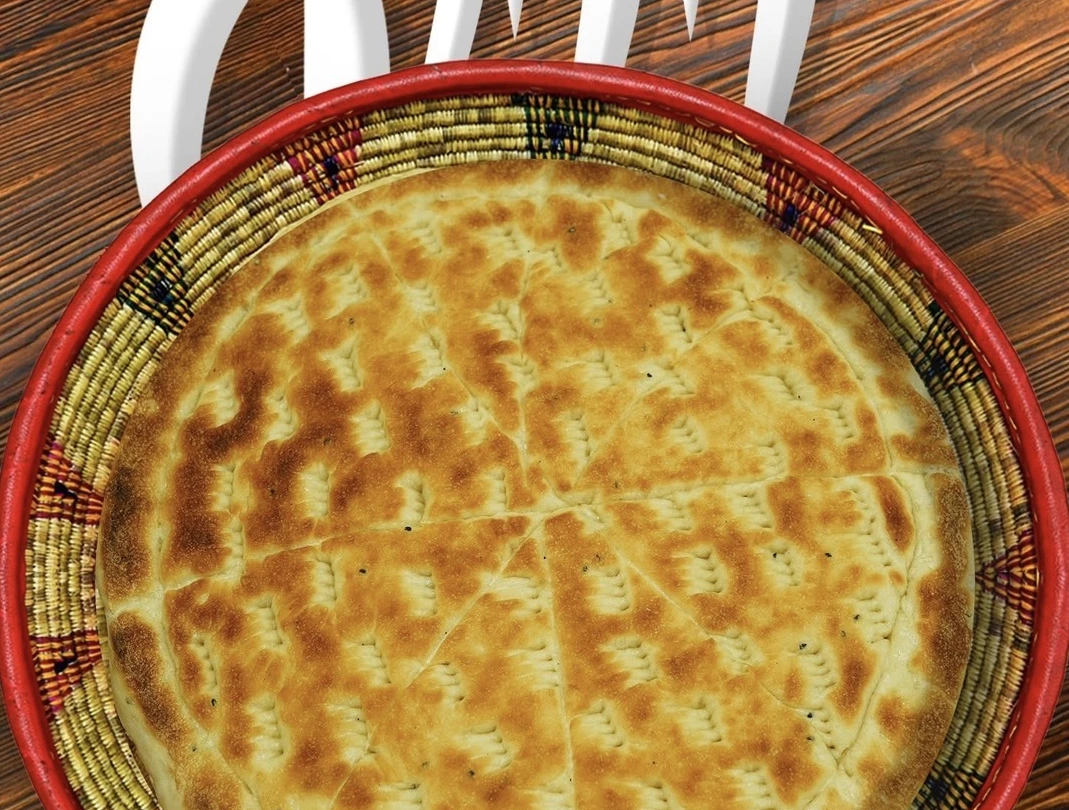
A round, often beautifully patterned bread, baked to share at family gatherings and sometimes enjoyed with coffee.
Grains and pulses are cleaned and gently roasted in a pan until fragrant and crisp; ingredients may be toasted separately and then combined.
Often passed around in small bowls as guests talk and share coffee.
Preparation and serving practices vary by community and household. This is a cultural introduction rather than a universal recipe.
Dried popping maize is heated in a covered pan until the kernels burst. It can be served plain or lightly seasoned.
A light, familiar snack for guests of all ages.
Preparation and serving practices vary by community and household. This is a cultural introduction rather than a universal recipe.
Wheat, maize, beans or chickpeas are soaked as needed, then boiled until tender. Salt or other seasonings vary by family.
Sometimes enjoyed warm alongside coffee and family conversation.
Preparation and serving practices vary by community and household. This is a cultural introduction rather than a universal recipe.
Flour, water and leavening are mixed and prepared as dough, then baked. Local styles differ widely.
Slices or pieces are offered as part of a generous welcome.
Preparation and serving practices vary by community and household. This is a cultural introduction rather than a universal recipe.
Traditionally prepared by mixing roasted barley flour with clarified butter and sometimes spices, then pressing or shaping the mixture.
A meaningful way to introduce visitors to Bale food heritage. It may be served with coffee, depending on the gathering.
Preparation and serving practices vary by community and household. This is a cultural introduction rather than a universal recipe.
Thin pastry dough is filled with seasoned lentils or vegetables, folded into triangles and fried or baked until golden. Fillings and methods vary.
When offered, sambusas add a savory bite to a time of conversation and hospitality. They are not required in every coffee ceremony.
The photo is a reference for appearance. Filling, ingredients, and allergens depend on the recipe.
Flour, water, yeast or another leavening ingredient and sometimes spices are prepared as a dough. The round loaf is decorated and baked or cooked on a suitable griddle, depending on the local recipe.
Cut into wedges or pieces, this bread may be shared with friends and guests while coffee is served.
Also called himbasha in some communities; naming and preparation vary by region.
These snack photos were supplied for this project and show real examples of the foods. Appearance, recipes, ingredients and allergens vary by household and region. Please confirm permission to publish photos where the photographer or original publisher is someone else.
In many Ethiopian coffee ceremonies, guests are offered three rounds. The rounds invite people to stay, talk and enjoy one another's company.
The first serving, traditionally the strongest of the three.
The second serving, usually lighter than the first.
The third serving; the name is associated with blessing.
Spelling and customs vary by language, place and family. No guest should feel obligated to drink more coffee than they wish.
In Ethiopian tradition, a coffee ceremony is not simply a drink. It is time set aside to sit with family, neighbors and friends—to share stories, talk, laugh, listen and welcome new guests.
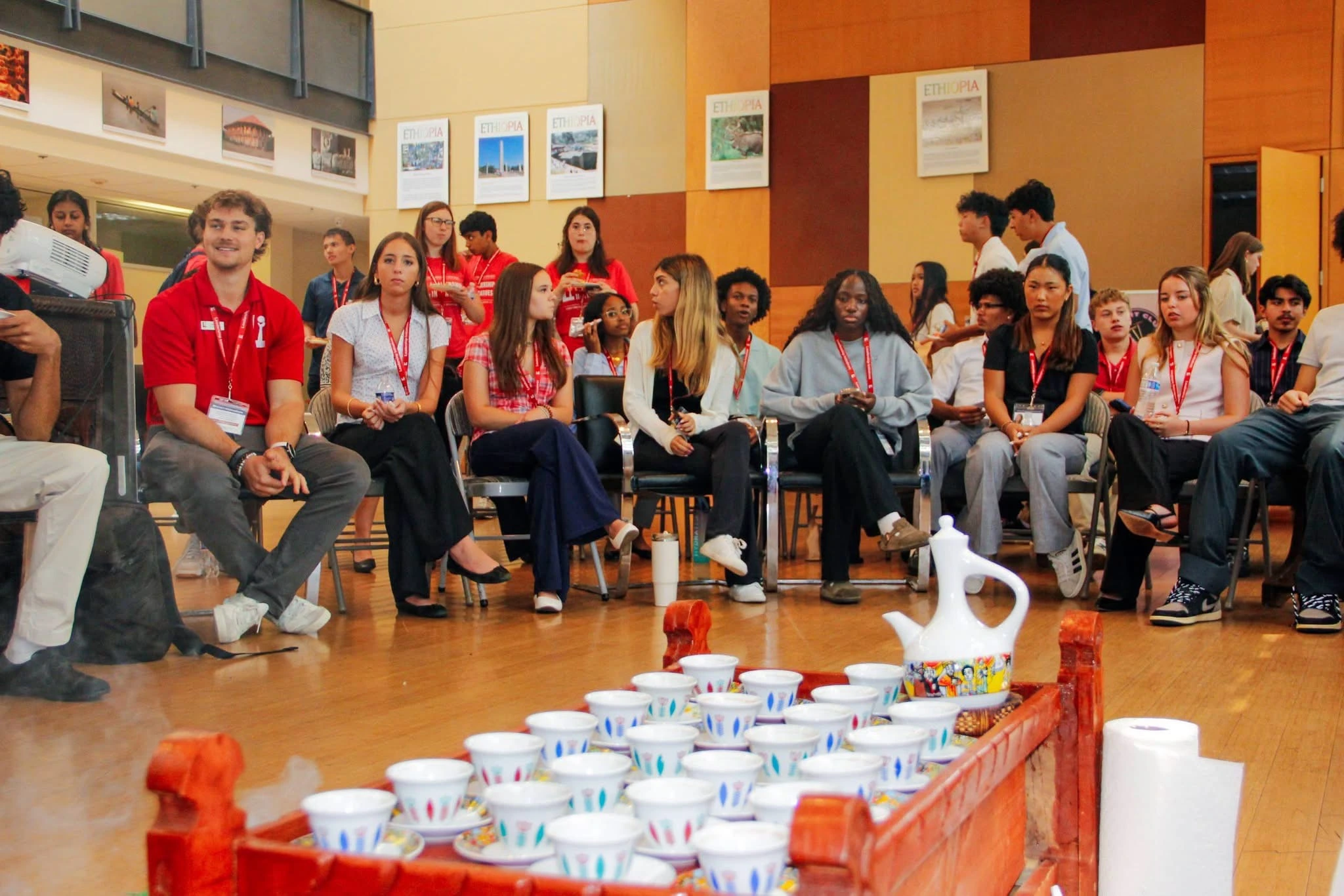

Our coffee is more than a drink. It is a moment to connect, to listen and to belong.
Tell us about your coffee experience ↗The sounds of conversation, the care of the host, and the generosity of sharing food are just as important as the coffee itself.
By honoring the people who prepare, shape, roast and serve, we keep Ethiopia's living heritage visible to the next generation.
Explore our community programs ↗
Was it your first coffee ceremony, a memorable taste of kolo, or the welcoming aroma of incense? Your experience can help someone else discover Ethiopian culture.
Share your experience & review ↗A cultural platform celebrating Ethiopia's coffee heritage through stories, community, craftsmanship and shared experiences.
Find cultural services for your event ↗ Return to the main website ↗